RESEARCH
Research in education and technology
My research examines how knowledge, judgement, and lived experience shape teaching and learning. I also love physical computing and the opportunities it provides for experimentation, problem-solving, and learning through making. My work also explores how teachers and learners engage with computing, cybersecurity, and educational reform, and how educational approaches affect participation, learning, and student outcomes.
I employ empirical, philosophical, and evaluative methodologies to inform educational practice, guide programme development, and support professional learning.
CURRENT RESEARCH
Areas of inquiry

PHYSICAL COMPUTING
Teachers' lived experiences
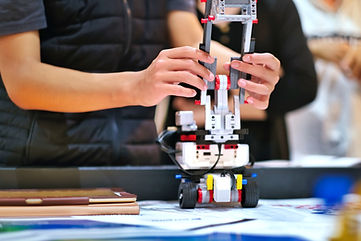
My doctoral research examines teachers' lived experiences of physical computing, including the relationships among care, professional identity, technical challenge and curriculum practice.

EDUCATIONAL PRACTICE
Knowledge and professional judgement
My philosophical research examines how knowledge, expertise, care and responsibility inform professional judgement, including when and how educators intervene in the concerns of others.

CYBERSECURITY EDUCATION
Adversarial reasoning
I investigate how young people interpret intent, evidence and manipulation in digital environments, and how investigative cybersecurity learning develops reasoning, participation and cyber identity.
SELECTED WORK


